
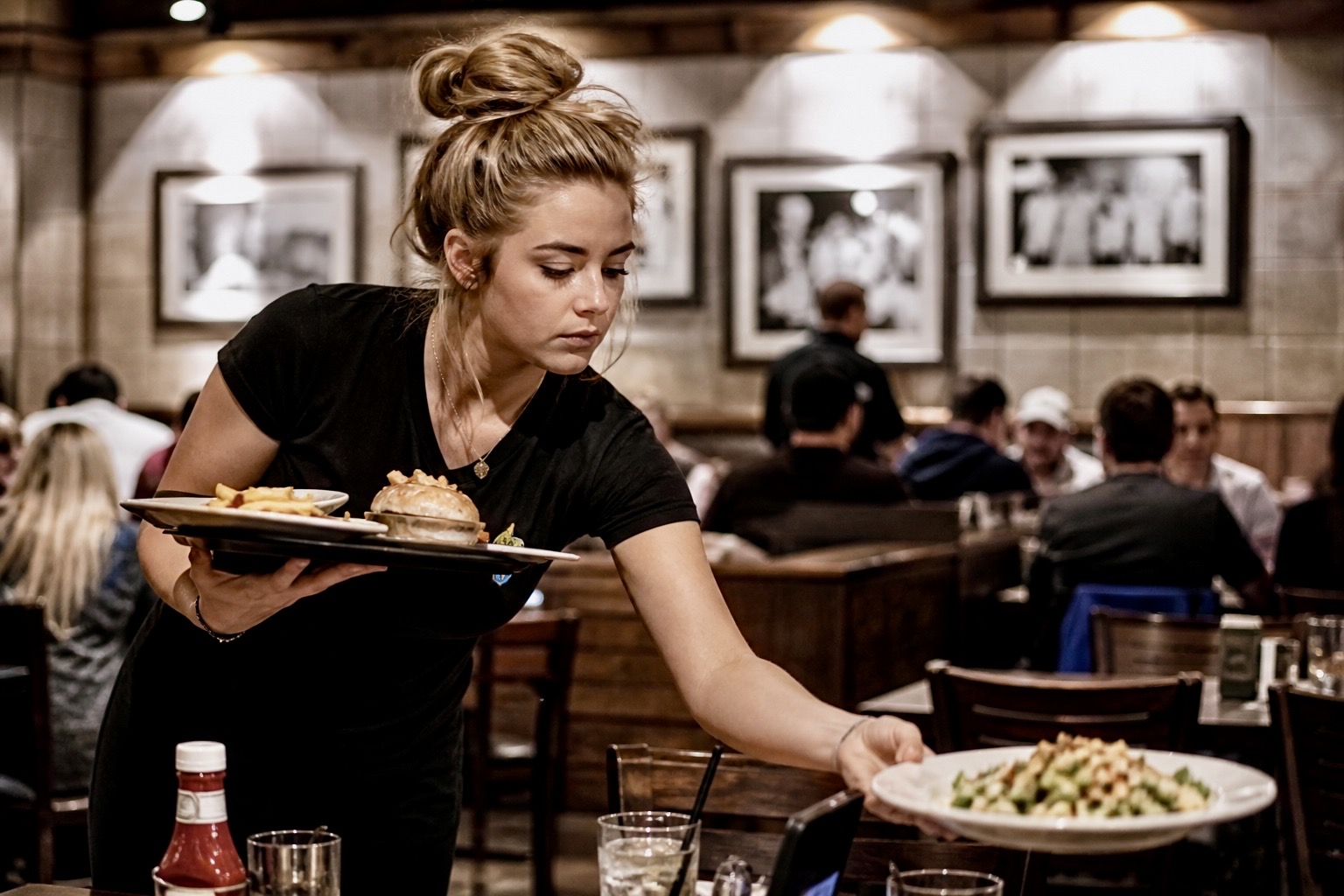
Tipping makes more sense when you’ve lived it. This is about what that work is really like, what we expect today, and what might change next.
I’ve always thought there are a few jobs everyone should have to do at least once, and waiting tables is at the top of that list.
I started my first job at Mr. Steak the day after my sixteenth birthday. I didn’t realize it at the time, but that experience shaped me in ways I still carry today. It taught me about tipping, but more than that, it taught me work ethic. The kind you don’t forget.
That job showed me very quickly that your income isn’t guaranteed.
It depends on how someone feels when they leave.
You learn how much of that work depends on people. Reading a table, staying calm when things go wrong, and keeping everything moving even when you’re overwhelmed. And you learn what it feels like to do everything right and still not be rewarded for it.
That changes how you see tipping.
When you’ve been the one juggling tables, fixing problems you didn’t create, and still trying to keep a smile on your face, you understand that a tip isn’t just extra. For a lot of people, it’s what makes the job work.
I don’t think most people are trying to be unfair. I just think they don’t always see what goes into it.
Right now, the general expectation is about fifteen to twenty percent for decent service, a little more for great service, and less if something truly went wrong. That’s been the standard, even if no one says it out loud.
But even that feels less clear now.
You see tip prompts everywhere. Coffee counters, takeout screens, places where no one is really serving you in the traditional sense. It puts people in a strange spot. You don’t want to seem cheap, but you’re not sure what’s expected anymore.
And now there’s talk about changes, especially with the idea of no tax on tips. On the surface, that sounds like a good thing. But it makes me wonder if it changes how people think about tipping.
If customers assume servers are already getting more, do they tip less?
Because at the end of the day, the work hasn’t changed.
You’re still on your feet. You’re still relying on how someone else values your effort in that moment.
And if more people understood what that feels like, even just once, I think they’d see tipping differently.
Not as an extra.
But as part of the job.

