
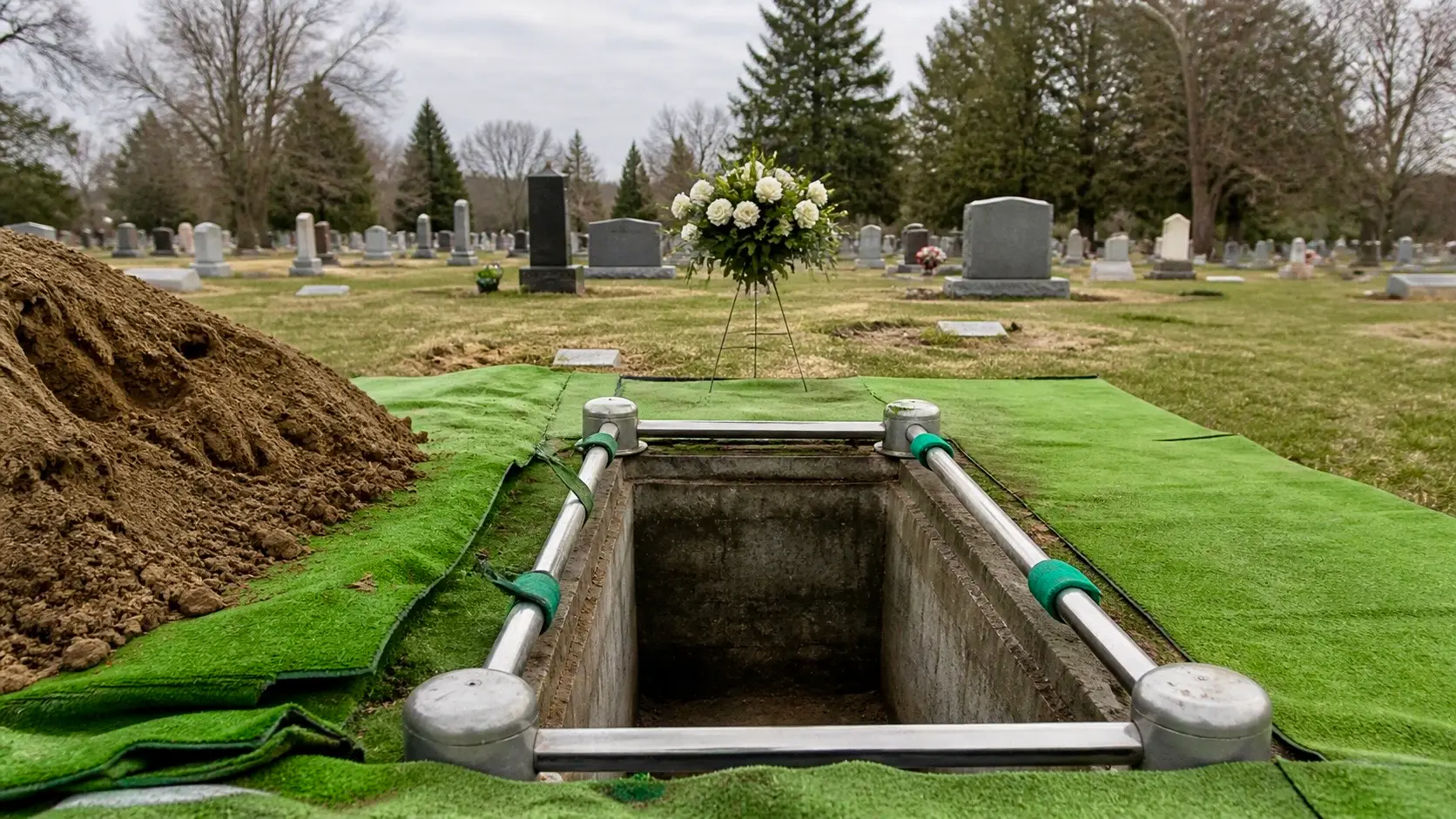
Suicide leaves behind more than grief. It leaves questions, silence, and a deep need to understand something we often can’t see. This piece reflects on the importance of compassion over judgment—and the quiet truth that we never fully know what someone else is carrying.
Death is hard. There’s no way around it.
But death by suicide carries something different. It brings shock. Questions that don’t settle. A kind of silence that feels heavier than words.
You don’t just grieve the loss. You wrestle with the why.
And somewhere in that confusion, it’s easy to start judging. Trying to make sense of something that doesn’t make sense.
I’ve learned to be careful with that.
Because the truth is, we don’t know what someone else is carrying. We don’t know what their thoughts sound like when they’re alone. Pain isn’t something you can see from the outside, and it’s not something you can measure.
You can look at someone and think they’re fine, and still have no idea what they’re fighting just to get through the day.
That’s what makes this kind of loss so complicated.
From the outside, it can feel like a decision. But from the inside, it’s often not about wanting to die. It’s about wanting the pain to stop.
And when that pain feels constant or overwhelming, something shifts. Not clearly. Not logically. Just enough to make it feel like there’s no way out.
That doesn’t make it easy to accept. But it does make it human.
And that’s where compassion matters.
Judgment doesn’t help. Not the person who is gone, and not the people left behind trying to carry it.
What helps is remembering we don’t see the full story. Reaching out. Sitting with someone without trying to fix them. Letting people be honest, even when it’s uncomfortable.
Because sometimes the most important thing isn’t having the right words.
It’s simply making sure no one feels invisible while they’re hurting.

