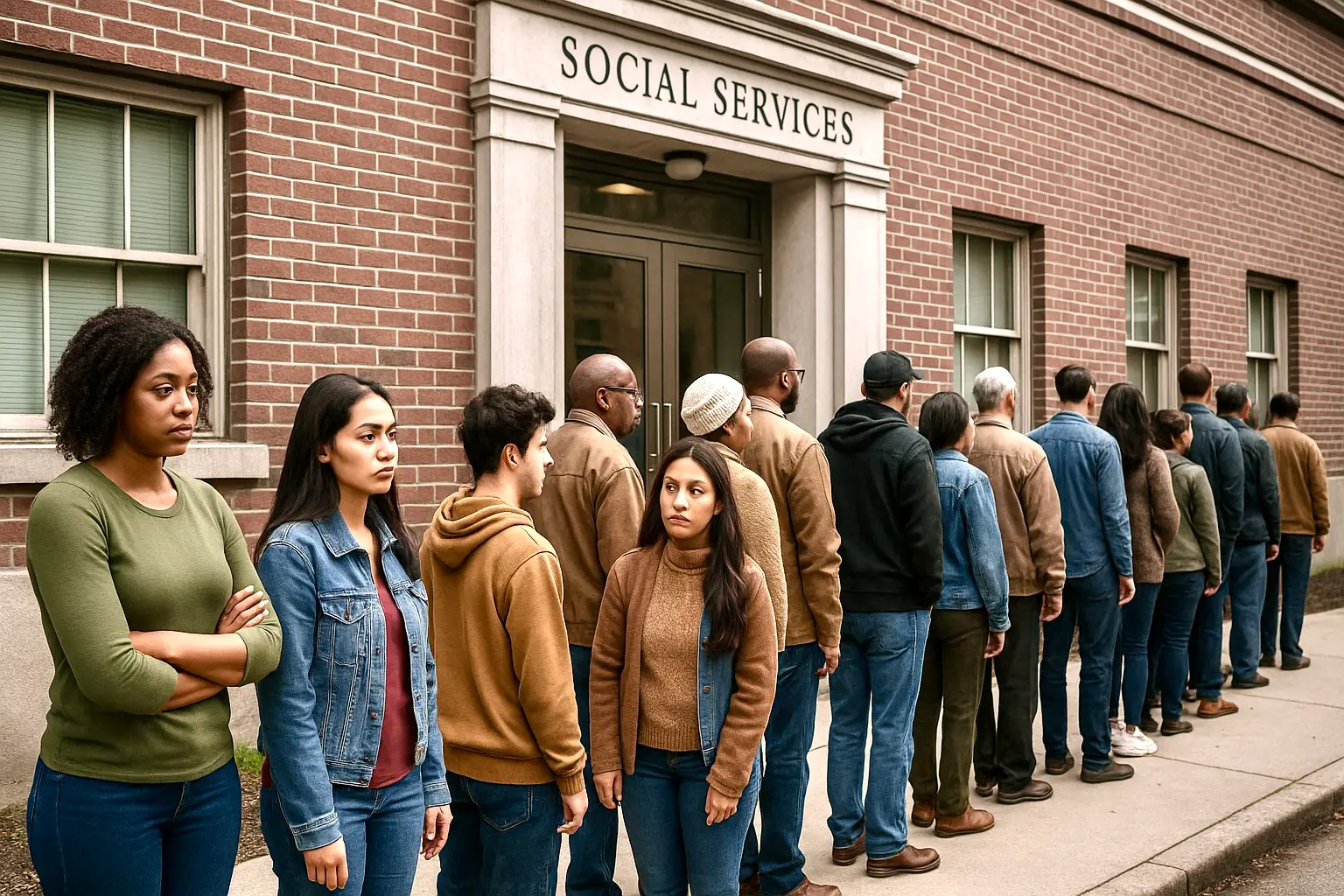
When did empathy become optional? It seems like people’s first reaction to almost anything these days is, “How does this affect me?”What that says about us as a society and why we’ve become so self-focused. From politics to everyday life, we’ve forgotten how to care about others. Maybe it’s time we remember.
If your first reaction to anything is how it will affect you personally, I have to ask — what’s wrong with you?
We’re living in a time when empathy seems to be optional, and self-interest has become the national pastime. Everywhere I look, people are filtering every headline, tragedy, or decision through one question: “What does this mean for me?”
The world is full of examples.
A hurricane hits the coast, and instead of feeling heartbreak for the people who lost everything, someone says, “Great, now my vacation is ruined.”
A new law is passed to protect vulnerable people, and the first reaction is, “How’s this going to affect my taxes?”
A person speaks out about discrimination, and someone else immediately jumps in with, “Well, I’ve never had that problem.”
It’s like empathy has been replaced by ego.
We see it in politics every single day. People aren’t asking what’s fair or just — they’re asking, “What’s in it for me?” Masks, vaccines, student loan relief, environmental regulations… everything turns into a debate about personal inconvenience instead of collective responsibility.
And it’s not just politics. It’s in grocery store aisles, on airplanes, and all over social media. Someone’s having a meltdown in public, and instead of offering help, out come the phones. Someone loses their job, and the comments say, “Maybe they should’ve worked harder.” Someone dies tragically, and people argue about whether they “deserved it.”
What happened to compassion? What happened to pausing before we speak and asking, “How is this affecting them?” instead of “What does this mean for me?”
I think part of the problem is that we’ve been trained to view the world as a competition. Social media algorithms reward outrage, politics rewards selfishness, and consumer culture tells us our happiness depends on being first in line, even if it means someone else goes without.
But here’s the truth: caring about other people doesn’t take anything away from you. In fact, it adds to your life. It deepens your understanding, strengthens your relationships, and makes the world a little less cruel.
So the next time something happens — whether it’s a headline, a policy, or a personal situation — try asking yourself a different question.
Not “How does this affect me?”
But “How does this affect the people around me?”
Because that’s how empathy starts.
And empathy is how we start to fix what’s broken.