
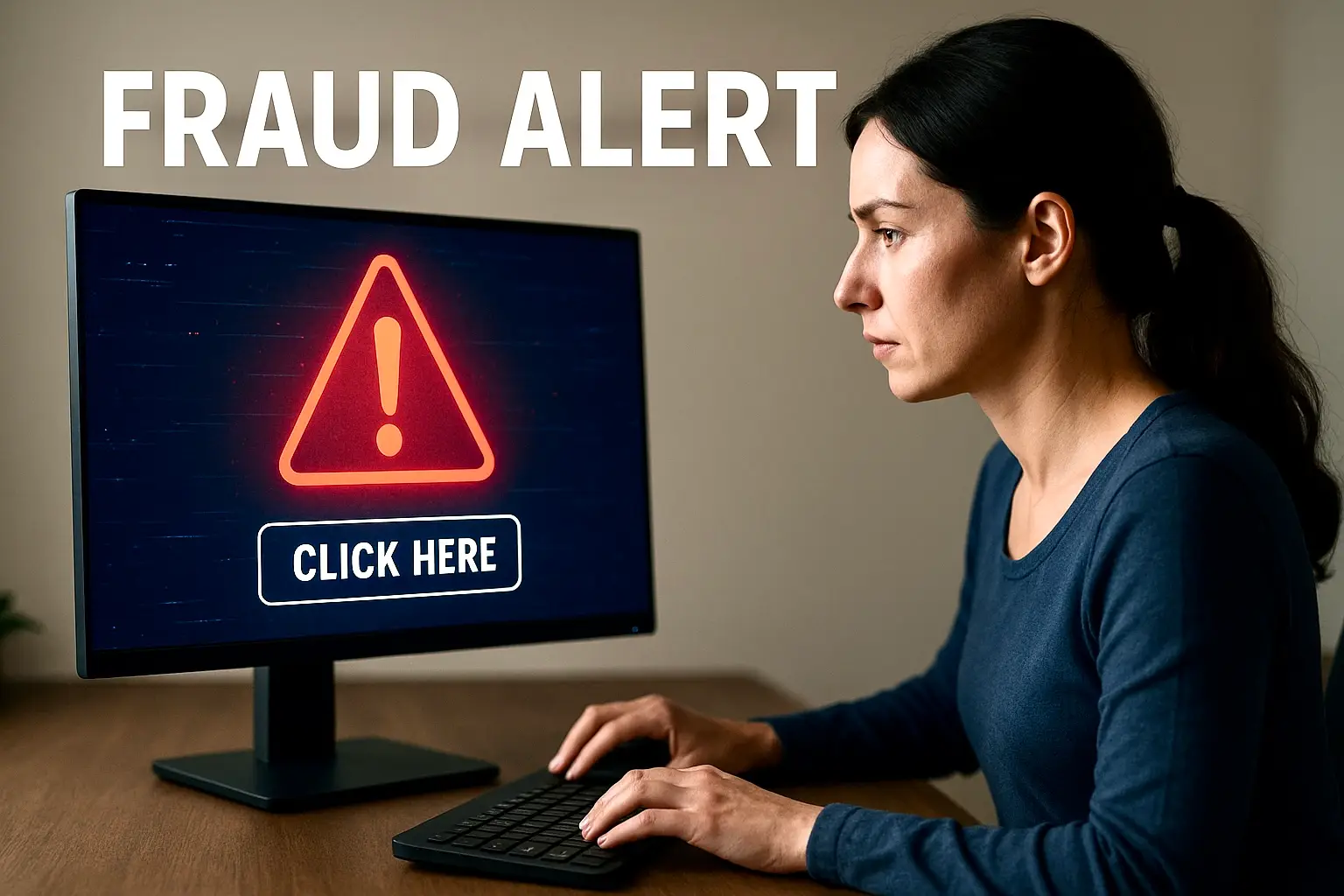
Everywhere you look — phones, emails, social media — someone is trying to rip you off. Here’s what to watch out for, what to ignore, and why common sense might just save you from becoming the next victim.
It seems like every time I pick up the phone, check my email, or scroll online, someone is trying to rip me off. What used to be an occasional annoyance has become an everyday battle. Scams aren’t the exception anymore — they’re the rule. And the worst part? We’ve started to accept it as just another part of modern life.
Let’s start with the obvious: robocalls. Those cheerful voices promising “you’ve won a prize” or warning “the IRS is coming after you” aren’t just irritating — they’re dangerous. Millions of people, especially the elderly, fall for them every year. Then there are the phishing emails that look like they came straight from your bank, Amazon, or PayPal. One wrong click and a stranger has access to your accounts, your money, and your identity.
But the scams don’t stop there. Social media has become a playground for con artists. Fake investment opportunities, romance scams, “miracle” health cures, and fabricated charities pop up daily. Every sob story with a “donate here” button should be met with suspicion, because chances are, someone’s counting on your kindness to make a quick buck.
Even legitimate-looking businesses are guilty. Subscription traps lure you in with “free trials” that morph into $100 monthly charges buried in the fine print. “Extended warranties” are another racket — why spend thousands protecting a toaster when most of these companies vanish the second you file a claim?
So, what can you do? First, trust your gut. If something feels off, it probably is. Never click links in unsolicited emails or texts, no matter how convincing they look. For Pete’s sake, give us some common sense. Don’t click on a text about your “eBay account” if you don’t even have an eBay account. Don’t click on the link about a “past due toll charge” if you haven’t been driving on a toll road. As a matter of fact, don’t click on any link to anything you question. Period.
And above all, slow down. Scammers rely on pressure and panic. The minute someone says “act now or lose everything,” that’s your red flag.
The reality is we shouldn’t have to live this way — suspicious of every call, every message, every deal that seems a little too good. But until governments, tech companies, and law enforcement get serious about cracking down, we’re left to fend for ourselves.
Scams thrive because silence and shame keep people from speaking up. Don’t give con artists that power. Expose them, talk about them, and refuse to let being scammed become “just part of life.”

